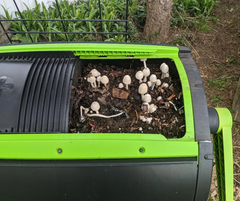
How to Make Compost at Home in 4 Simple Steps
Making compost at home comes down to four things: choosing the right system for your space, gathering the right tools, sorting your waste correctly, and knowing when your compost is ready to use. Most households can get a working compost system up and running in an afternoon, and once the habits are in place, it takes very little ongoing effort.
Step 1: Choose the Right Composting System for Your Home
Before you buy anything, three decisions will shape which composting setup works best for you.
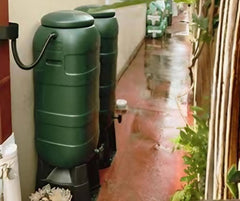
How much space do you have? Whether you're in a house with a large garden or a unit with a small balcony, there's a composting system that fits. A compact kitchen compost caddy works anywhere, while a compost tumbler or stationary bin needs a bit of outdoor space.
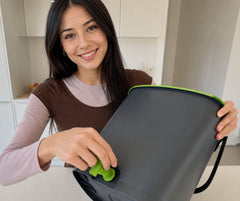
How much waste do you produce? A good way to gauge this is to collect your kitchen scraps for a week and weigh them. Most households produce roughly half a 7-litre caddy per day in organic food waste, though larger households or those with big gardens will produce more.
How much time do you want to invest? A compost tumbler is low maintenance and produces compost faster than a stationary bin, because the rolling action keeps the pile aerated without any digging. A stationary bin is more hands-off and better suited to large volumes of garden waste like grass clippings. Many households run both.
A common setup that works well: a 7-litre kitchen caddy on the bench, a tumbler for food scraps, and a stationary bin for garden waste. Browse our compost bin range if you're looking for a place to start.
Step 2: What You Need to Get Started
Once you've decided on your system, you'll need a few basics:
- A kitchen compost caddy (7 litres suits most households)
- A compost tumbler or stationary bin for outside
- Compostable bin liners for your caddy
- A shovel and gardening gloves
- A sieve or strainer for finished compost
- A compost activator to kickstart decomposition
Most of these are available at your local hardware store or garden centre.
What Can You Put in a Compost Bin?
Getting the mix right is the most important part of composting. You need a balance of greens (nitrogen-rich, moist materials) and browns (carbon-rich, dry materials) at roughly a 50:50 or 30:70 ratio, depending on the season and climate.
Greens include fruit and vegetable scraps, egg shells, coffee grounds, tea leaves, grass clippings, and bread.
Browns include dry leaves, paper and cardboard (no waxy surfaces), newspaper, egg cartons, straw, and wood chips.
Chop or shred materials into smaller pieces where you can. The smaller the pieces, the faster they break down. Avoid citrus in large quantities, meat, fish, and dairy in open bins, and anything with a waxy coating.
| Greens (Nitrogen) | Browns (Carbon) |
|---|---|
| Egg shells | Paper towel |
| Grass clippings | Paper and Cardboard (without waxy surfaces) |
| Fruit (not citrus), peels and cores* | Ash |
| Vegetables and peels* | Dry leaves |
| Coffee grounds | Woodchips |
| Tea bags and leaves (remove staples) | Straw |
| Bread and Pasta | Egg carton (without the labels) |
| *hard skin and pips take longer to decompose | Toilet paper and Newspaper |
Step 3: Build the Habits That Make It Easy
The most important habit is keeping your kitchen caddy close to where you cook. Right next to the chopping board is ideal. The more convenient it is to use, the less likely you are to default back to the general waste bin.
Empty the caddy into your outdoor bin every couple of days. Each time you add waste to a tumbler, give it a spin. This keeps the pile aerated and speeds up decomposition. If the pile looks too wet, add more browns. If it looks too dry, give it a light water.
Once one chamber of your tumbler is full, start filling the second and leave the first to mature. This continuous cycle means you're always producing compost without having to stop and wait.
How Do You Know When Compost Is Ready to Use?
Finished compost looks dark, crumbly, and soil-like. It shouldn't be possible to identify the original materials. The most reliable test is the sniff test: scoop a small amount into a sealed bag, wait a week, then open it. It should smell earthy and fresh. If it smells sour, rotten, or like ammonia, it needs more time.
In warmer months, a tumbler can produce finished compost in as little as six to eight weeks. In winter it will take longer as the cooler temperatures slow decomposition.
Once it's ready, dig it directly into garden beds, mix it through potting mix, or spread it as a top dressing around plants. Two buckets is usually enough for a standard raised garden bed.
Frequently Asked Questions
How long does it take to make compost at home? In a compost tumbler, finished compost typically takes six to ten weeks depending on the season and what you're adding. Warmer temperatures speed up decomposition. A stationary bin takes longer, usually three to six months, but requires less hands-on management.
What is the right ratio of greens to browns in a compost bin? A ratio of roughly 30% greens to 70% browns by volume is a good starting point. Too many greens and the pile will become wet and smelly. Too many browns and it will dry out and decompose slowly. Adjust as you go based on how the pile looks and smells.
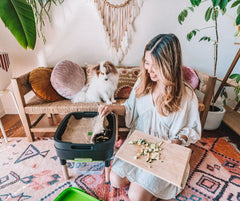
Can you compost meat, fish, or dairy at home? In a standard open compost bin or tumbler, it's best to avoid meat, fish, and dairy as they can attract pests and create unpleasant odours. A Bokashi system is a better option if you want to compost all food waste including cooked foods and proteins.
What should you do if your compost smells bad? A bad smell usually means the pile is too wet or has too many greens. Add dry browns like shredded cardboard or dry leaves, give the pile a turn to introduce air, and hold off adding more food scraps for a few days. A healthy compost pile should smell earthy, not foul.
How do you use finished compost in the garden? Dig finished compost directly into garden beds before planting, mix it through potting soil, or spread a layer around existing plants as a mulch. It improves soil structure, feeds soil microbes, and helps retain moisture. Even a small amount makes a noticeable difference over time.
Composting is one of those habits that feels complicated before you start and surprisingly straightforward once you do. If you're not sure which system suits your space, take a look at our compost bin and tumbler range or reach out to us at enquiries@mazeproducts.com.au.