Autumn Container Gardening: Transition Pots for Winter Crops
Autumn Container Gardening: How to Transition Your Pots for Winter Crops
Autumn is genuinely one of the best times of year for container gardening in Australia. The brutal heat has eased, the soil holds moisture for longer, and a whole new range of crops — leafy greens, brassicas, root vegetables, herbs — thrive in cooler conditions. If your pots took a beating over summer, now is the time to reset them, refresh the soil, and set yourself up for a productive winter growing season.
Why Autumn Is Such a Good Time for Container Gardening
Through summer, most containers are fighting conditions — drying out fast, overheating at the root zone, and demanding constant attention. Autumn flips all of that. Temperatures drop, evaporation slows, and plants that struggled in the heat suddenly have ideal growing conditions.
For container gardeners in particular, the cooler months mean less watering, fewer pest pressures, and crops that are genuinely easier to grow. Leafy greens, brassicas and root vegetables all prefer cooler soil temperatures, and containers warm up and cool down faster than garden beds — which works in your favour from now through to late winter.
How Do You Reset Containers After Summer?
Before planting your autumn crops, take a few minutes to assess what's in your pots.
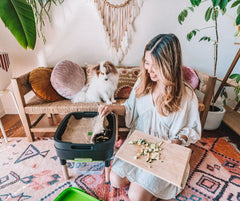
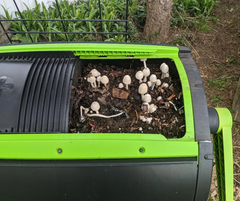
Remove spent summer plants and refresh the mix. Potting mix breaks down over a season, losing structure and nutrients. Rather than planting straight into tired soil, mix in a generous amount of compost or worm castings to revive it. If you have a worm farm running, this is the perfect use for finished castings. Our worm farm range is worth considering if you want a steady supply of free soil conditioner across the seasons.
Check drainage. After a hot, dry summer, potting mix can become hydrophobic — water beads off the surface rather than soaking in. If you notice this, water slowly and deeply a couple of times, or mix in some fresh compost to improve absorption before planting.
Clean the containers. A quick rinse of the pot interior removes any salt build-up from fertiliser and reduces the chance of carrying over pests or disease from summer crops.

What Can You Grow in Containers Over Autumn and Winter?
This is where container gardening really earns its keep. Plenty of winter crops are well suited to pots and planters, and many actually prefer the more controlled environment a container provides.
Leafy greens are the easiest starting point. Silverbeet, spinach, Asian greens, rocket and lettuce all grow quickly in cooler conditions and can be harvested cut-and-come-again over many weeks. A medium to large planter suits most of these well.
Brassicas like kale, cavolo nero and even compact broccoli varieties can work in larger containers. They take longer to mature but are genuinely low maintenance once established.
Root vegetables such as carrots, radishes and beetroot do well in deeper pots or raised planters where they have room to develop properly. Our raised planters and garden beds are a good option here if you want more depth than a standard pot provides.
Herbs are reliable autumn and winter performers. Parsley, coriander, chives and mint all prefer cooler weather, and a small pot of mixed herbs on the bench or near the kitchen door is genuinely one of the most useful things you can grow.
Broad beans and snow peas can also be grown in larger containers with some support — both are cool season crops that will reward patience with a solid harvest from late winter into spring.
Do You Need to Reposition Pots in Autumn?
Yes — and this is one of the easiest wins in container gardening. The sun sits lower in the sky from autumn through winter, which means spots that were in full shade during summer may now receive several hours of direct sun each day, and vice versa.
Take a walk around your outdoor space on a clear morning and note where the sun actually falls between 9am and 3pm. You may find previously shaded spots near walls or fences are now ideal positions for sun-loving crops like brassicas. North and west-facing positions tend to get the most winter sun in Australia.
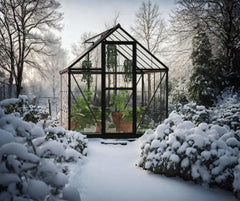
If you have a greenhouse, autumn is also the time to start making use of it for more sensitive seedlings or to extend the growing season on crops that might otherwise struggle with overnight frosts in cooler parts of the country. Our walk-in greenhouse range gives you the flexibility to protect plants on cold nights while still getting good airflow during the day.

How Does Watering Change in Autumn?
Significantly, and mostly in your favour. As temperatures drop, evaporation slows and containers hold moisture for much longer than they did in summer.
The finger test still applies — push a finger into the soil to the second knuckle and water only when it feels dry at that depth. In autumn you may find you're watering every two to three days rather than daily, and in the cooler winter months some pots may only need water once a week.
Morning watering remains the best habit year-round. It gives plants what they need before the warmest part of the day and reduces the risk of fungal issues that can come with wet foliage overnight.
Watch for overwatering more than underwatering from here — constantly soggy soil, yellowing lower leaves, or moss growing on the surface are all signs you can ease off.
Should You Fertilise Containers in Autumn?
Yes, but differently to summer. Cooler temperatures slow plant metabolism, so heavy feeding isn't necessary. A light application of a balanced slow-release fertiliser at planting time, combined with good quality compost worked into the mix, is usually sufficient for most autumn and winter crops.
If you're growing leafy greens, a liquid feed of worm castings tea or a seaweed solution every few weeks will keep them producing well without pushing excessive growth that can make plants leggy and soft.
Frequently Asked Questions
What vegetables grow best in pots over autumn and winter in Australia? Leafy greens are the easiest and most rewarding — silverbeet, spinach, rocket, Asian greens and lettuce all thrive in containers from autumn through winter. Kale, parsley, coriander, beetroot, radishes and snow peas are also strong performers. Most prefer cooler soil temperatures and consistent moisture, both of which are much easier to manage in containers during the cooler months than in the heat of summer.
Do I need to replace the potting mix between seasons? You don't need to replace it entirely, but refreshing it makes a real difference. After a full growing season, potting mix loses structure and nutrients. Mixing in compost or worm castings restores both and gives your autumn crops a much stronger start. If the mix has become very compacted or water-repellent, replacing a portion of it is worthwhile.
How do I protect container plants from winter frosts? In most parts of Australia, frosts are mild enough that grouping pots against a north-facing wall or under an eave is sufficient protection. In cooler regions — parts of Victoria, NSW tablelands, SA and WA — moving sensitive pots into a greenhouse overnight or covering them with frost cloth on cold nights will see them through. Most of the crops that do well in winter containers are reasonably frost-hardy once established.
Autumn is the reset your containers have been waiting for. With a bit of soil refreshment, a change in what you're growing, and a quick rethink of where your pots are positioned, you can go from a tired summer setup to a productive cool-season garden in a weekend.
The cooler months are genuinely some of the most enjoyable for container gardening — less watering, fewer pests, and crops that actually want to grow. Browse our full range of pots and planters if you're looking to add to your setup before the season gets going.