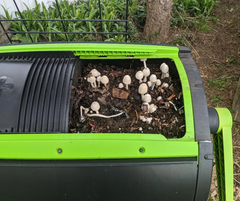
Why Home Composting at Home Actually Makes a Difference
Home composting is one of the most practical things you can do for the environment and your garden at the same time. Organic waste sent to landfill breaks down without oxygen, producing methane, a greenhouse gas significantly more potent than carbon dioxide. Composting at home short-circuits that process entirely. Your food scraps and garden waste become a rich soil conditioner instead of a source of emissions, and your garden gets fed for free.
International Composting Week, held in the first week of May each year, is a good moment to either get started or take a fresh look at what you're already doing.
How Much Difference Does Home Composting Actually Make?
More than most people expect. According to the CSIRO, organic waste makes up around 35% of the average Australian household's bin. When that material goes to landfill instead of being composted, it generates methane as it breaks down in the absence of oxygen. Methane is roughly 80 times more potent than carbon dioxide over a 20-year period, according to the United Nations Environment Programme.
Home composting doesn't just keep that waste out of landfill. It actively creates something useful. Finished compost improves soil structure, feeds soil microbes, helps retain moisture, and reduces the need for synthetic fertilisers. You're not just doing less harm. You're doing active good.

What Can You Actually Compost at Home?
More than you probably think. The basics are:
Greens (nitrogen-rich): Fruit and vegetable scraps, coffee grounds, tea bags, fresh grass clippings, and fresh garden trimmings.
Browns (carbon-rich): Cardboard, paper, dry leaves, straw, and egg cartons.
A healthy compost pile needs roughly two parts browns to one part greens by volume. This ratio keeps the pile aerated, stops it getting slimy, and keeps smells in check.
Things to avoid: meat, fish, dairy, oily food, and anything that's been cooked. These attract pests and slow the composting process in a home system.
Does Home Composting Have to Be Complicated?
It doesn't. Our composting team hears this concern a lot, and the honest answer is that composting is more forgiving than its reputation suggests. If your pile smells, you need more browns. If it's not breaking down, it needs more greens or more turning. Most problems have a simple fix.
The two things that make the biggest difference to how easy composting is:
The right system for your household. A compost tumbler suits most households well. It's enclosed (so no pests, no smell escaping), sits off the ground, and the rotating drum means turning is fast. Our compost tumbler range includes options from a compact 60L up to a 245L dual-chamber tumbler depending on how much you're producing.
A browns supply on hand. The most common reason compost gets out of balance is not having dry material ready when you add food scraps. Keep a bag of shredded cardboard or dry leaves next to your bin and add a handful every time you add food scraps. That one habit solves most composting problems before they start.
Is a Worm Farm a Better Option Than a Compost Bin?
For some households, yes. Worm farms and compost bins do similar jobs but suit different situations.
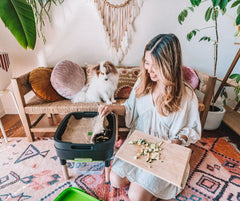
Worm farms are ideal if you're in an apartment or have a small outdoor space, produce mostly kitchen scraps rather than garden waste, and want a system that produces both worm castings (a concentrated soil conditioner) and worm liquid (a liquid fertiliser). They're compact, low-odour, and low-maintenance once established.
Compost bins and tumblers handle a broader range of materials including garden waste, larger volumes of scraps, and cardboard. They're better suited to households with a garden producing green waste alongside kitchen scraps.
Some households run both. If you're interested in worm farming, our worm farm range covers single-tray starter systems through to larger multi-tray setups.

How Long Does Compost Take?
In an active tumbler with a good greens/browns balance and regular turning, finished compost can be ready in as little as 6 to 8 weeks. In a static bin with less turning, expect 3 to 6 months. Cold or dry conditions slow things down. Warm weather, smaller pieces, and regular turning speed things up.
You'll know your compost is ready when it's dark, crumbly, earthy-smelling, and the original materials are no longer recognisable.
Frequently Asked Questions
Does home composting actually reduce greenhouse gas emissions?
Yes. When organic waste goes to landfill, it breaks down anaerobically and produces methane, a potent greenhouse gas. Composting at home allows that material to break down aerobically instead, producing carbon dioxide and water, and locking carbon into a stable soil amendment. The reduction in methane emissions from a single household composting consistently adds up meaningfully over time.
What's the fastest way to get compost started if you're new to it?
Start with a compost tumbler, collect your kitchen scraps for a week, then add them with an equal volume of shredded cardboard. Give the tumbler a few rotations and add scraps and cardboard in a roughly 1:2 ratio (greens to browns) as you go. Keep it damp but not wet, turn it every few days, and you should see active breakdown within two to three weeks.
Can you compost if you don't have a garden?
Yes. A worm farm works well in a small outdoor space, on a balcony, or even indoors in a cool spot. It produces worm castings and liquid fertiliser you can use on potted plants, donate to a neighbour, or offer to a local community garden. You don't need a yard to compost effectively.
Why does my compost smell, and how do I fix it?
A bad smell almost always means the pile has gone anaerobic, usually because it's too wet, compacted, or overloaded with nitrogen-rich scraps. The fix is straightforward: add a generous amount of browns (shredded cardboard works well), turn the pile thoroughly to reintroduce oxygen, and hold off on adding more food scraps for a couple of days. The smell should ease within 24 to 48 hours.
International Composting Week is a good prompt to start, but the case for home composting holds year-round. Whether you're just getting set up or looking to dial in a system you already have, the difference between compost that works well and compost that's a chore usually comes down to the right container and a consistent browns habit.

Browse our compost bin and tumbler range if you're looking for a system that fits your household.