How Often Should You Turn a Compost Tumbler for Fast, Healthy Compost
How Often Should You Turn a Compost Tumbler?
For most home composters, turning your compost tumbler every one to two days — giving it several full rotations each time — is the sweet spot. In active Australian summer conditions, daily turning will speed things up significantly. In cooler months or when you're adding material less frequently, every two to three days is plenty. The key is reading what's happening inside rather than following a rigid schedule.
Why Does Turning a Compost Tumbler Actually Matter?
Every time you turn the drum, two things happen: oxygen gets pulled into the mix, which the microbes breaking down your scraps need to thrive, and your greens, browns and moisture get redistributed more evenly.
Get the frequency right and you'll notice faster breakdown, fewer smells, and material that stays loose rather than matting into clumps. Get it wrong in either direction and things slow down or start to smell.

How Often Should You Turn a Compost Tumbler for Fast Results?
For fast compost, especially during the warmer months, aim for daily turning during the most active phase of a batch. This keeps oxygen levels high and microbes working at full pace.
A practical starting point for most households is turning every second day, giving the drum several full rotations each time. With a well-loaded Maze tumbler and a good balance of greens and browns, you can produce usable compost in as little as 6 to 8 weeks in warm conditions.
If you're only adding material occasionally rather than regularly, you can ease back to two or three times a week - as long as the compost still looks and smells healthy.
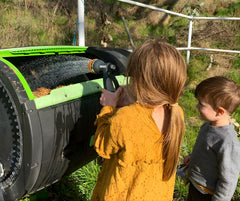
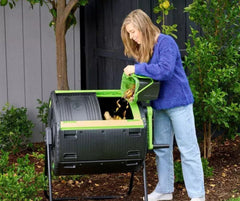
One thing worth clarifying: "turning" means several full rotations of the drum, not just a small jiggle. With our EASY-TURN 245L Compost Tumbler, the geared turning mechanism makes this genuinely quick — a full rotation takes very little effort, even when the drum is loaded.
How Should You Adjust Turning Frequency for Australian Summers?
Summer compost breaks down faster thanks to the heat, but it can swing quickly between too wet and too dry — sometimes within a few days.
In warm Australian conditions we recommend turning every day or every second day when the tumbler is actively receiving fresh food scraps and garden waste. Summer is also when flies and odours appear fastest if things get out of balance, so consistency matters more this time of year than any other.
If the contents start looking soggy, add more browns — shredded cardboard or dry leaves work well. If it's dry and not breaking down, add more greens or a light sprinkle of water before turning.

What Are the Signs You Are Not Turning Enough?
If your turning frequency is too low, you'll usually notice:
- Strong, unpleasant smells — rotten or sour odours
- Patches of slimy material around food scraps or grass clippings
- Visible unchanged layers where new material is sitting on top without mixing in
If this happens, increase to daily turning for a week or two, add extra browns to soak up moisture, and check that the air vents on your tumbler aren't blocked. A struggling batch can usually be brought back on track within a fortnight with a bit of extra attention.
Can You Turn a Compost Tumbler Too Often?
Yes, you can — particularly if the drum is only lightly filled or you're not giving the pile enough time to heat up between turns.
Signs you might be overdoing it: the compost never feels warm when you open the lid, and everything stays very loose and fluffy even in summer without breaking down.
If that sounds familiar, try letting the tumbler sit one to two days between turns, and make sure you have enough material inside. Tumblers work best when at least one third to half full — below that, there simply isn't enough mass to generate and hold heat.
How Do You Fix Compost That Is Too Wet?
Wet compost is one of the most common summer issues. You'll usually see matted, soggy clumps, stronger smells, and sometimes liquid collecting at the bottom of the drum.
To fix it: add dry browns — shredded cardboard, dry leaves, straw, or sawdust from untreated timber. Turn daily for a short period to mix the dry material through and introduce oxygen. Also reduce how much very wet material you're adding at once: melon rinds, large amounts of grass clippings, and cooked food can all tip the balance quickly. Chop scraps into smaller pieces so they blend more evenly with the browns.
If your tumbler has drainage points, check they're not blocked.
How Do You Fix Compost That Is Too Dry?
Dry compost breaks down very slowly, looks dusty or fibrous, and feels cool even when outdoor temperatures are warm.
To correct it, add more greens — fresh food scraps, grass clippings — or a light sprinkle of water before turning. With our 180L Geared Twin Tumbler, you can keep one chamber in active use while the other finishes, which makes managing moisture levels across two batches much simpler.
Once the moisture is back to a "wrung out sponge" feel — moist but not dripping — you can return to your regular turning schedule.

Frequently Asked Questions
How often should I turn my compost tumbler for fast results? For fast compost, especially in warmer months, turn your tumbler every day or every second day, giving it several full rotations each time. With a good balance of greens and browns and correct moisture levels, this keeps the microbes active and breakdown moving at pace. In well-loaded Maze tumblers during summer, usable compost can be ready in as little as 6 to 8 weeks.
What if my compost tumbler smells bad even when I am turning it? Bad smells usually mean the compost is too wet or too heavy on greens. Add extra dry browns such as shredded cardboard or dry leaves, increase your turning frequency for a week or so, and check that the air vents are clear. Avoid adding large amounts of very wet food at once. Once the mix rebalances, the smell should ease within a few days.
Should I keep adding new material while a batch is composting? With single-drum tumblers, many people add material continuously for a period, then stop and let that batch finish before emptying. With a twin tumbler like our 180L Geared Twin Tumbler, one side can be in active filling mode while the other is left to mature — which is the most efficient approach and gives you a more consistent supply of finished compost.
Getting your compost turning frequency right is less about strict rules and more about learning to read what's happening inside the drum. Start with every one to two days, adjust for summer heat, and watch for the signs that things are too wet, too dry, or not mixing properly.
With a well-loaded tumbler, the right balance of greens and browns, and a consistent turning routine, you can turn everyday kitchen and garden scraps into rich, usable compost in a matter of weeks. Browse our full compost tumbler range if you're looking to get started or upgrade your setup.