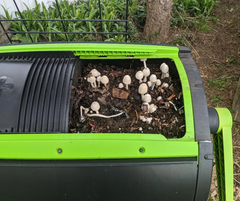
How to Use Compost in Your Garden: The Maze Garden Compost Guide
Creating a thriving, sustainable garden doesn’t need to be complicated or expensive.
By working with nature and using quality compost, you’ll nurture healthier plants, richer soil, and a more resilient garden.
At Maze, we’re proud leaders in composting and sustainable solutions, helping fellow Aussies transform household scraps into black gold for veggies, flowers and everything in between.
This guide shares our expert tips for applying compost, maximising benefits for all types of gardens, and getting the most from your Maze compost bins.
Why Compost? The Benefits of Garden Compost
Composting is at the heart of a healthy garden. About half of our household waste is organic material that can be diverted from landfill and transformed through composting. The benefits include:
- Enriching Soil: Compost adds vital organic matter, nourishing your existing soil with nutrients for stronger, more vibrant plants.
- Boosting Vegetables and Flowers: Using compost for vegetables and flowers gives them a slow-release, gentle feed, reducing the need for chemical fertilisers.
- Improving Soil Structure: Compost helps soils retain moisture, enhances drainage in clay soils, and generally makes both heavy and sandy soils easier to work.
- Supporting Sustainability: By composting, we cut waste, save landfill space, and contribute to a circular economy right from home.
Browse our full range of Maze compost bins—we’ve got something to suit every space, from small urban balconies to expansive backyard beds.

Compost Application: Step-by-Step
1. Harvest Your Compost
Once your Maze compost tumbler has transformed food scraps and garden waste into dark, crumbly compost, it’s ready to use. You’ll know it’s mature when it smells earthy, is dark brown, and shows no recognisable food pieces.
2. Preparing Garden Beds
Before planting out veggies, herbs, or flowers, loosen the existing soil to a spade’s depth. Spread a layer of Maze compost (about 2-5cm thick) evenly over the top.
3. Mixing Compost with Soil
For optimal results, gently mix the compost into the top 15cm of soil using a fork or hoe. This puts nutrients right where new roots can access them and encourages beneficial soil microbes.
4. Using Compost for Vegetables
Veggies are heavy feeders and thrive with regular compost. We recommend adding compost at least twice a year—at the start and end of the major growing season. Top up between plantings for a continuous nutrient supply. For root veggies, mix compost in well before sowing to encourage long, straight roots.
5. Compost for Flowers and Shrubs
Compost isn’t just for your veggie bed. Scatter a layer around established ornamental plants, shrubs, or fruit trees, avoiding direct contact with stems. Top-dressing with compost feeds slow and steady and helps suppress weeds too.
6. Mulching and Ongoing Feeding
Keep a little Maze compost aside to use as mulch late in the season or when beds become exposed. Compost mulch keeps moisture in, suppresses weeds and continues feeding the soil as it breaks down.

Maze Compost: Find the Right Fit
Whether you’re composting kitchen scraps in a small apartment or need to process a mountain of autumn leaves, Maze has a solution:
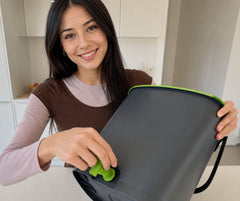
- Maze Kitchen Caddy (7L): Perfect for countertop or under-sink collection, paired with compostable bags.
- Maze Compost Tumblers (180L, 245L): Easy-turn, all-weather, and odour-free, great for bigger gardens.
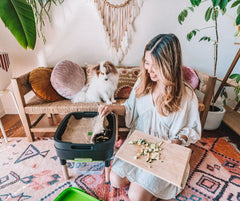
- Maze Worm Farm: Turn food waste into worm castings-one of nature’s finest organic fertilisers.
Every Maze tumbler or bin is made for Australian conditions: UV-stable, tough, and designed for easy harvesting. Check out the full Maze compost collection to choose your composting companion.
Compost: From Tumbler to Bed – Organic Garden Tips
- Composting Tips: Our ambassador Peter reminds us: “Feed your compost plenty of kitchen scraps and aerate it regularly. The more variety, the better your compost will be.”
- Soil Improvement: Compost is a soil improver, not a sole potting mix! Mix it through your garden beds rather than using it straight in pots.
- Timing: The best time to apply compost is autumn and spring, before or after the main growing season, though your garden will never say no to a nutrient boost.
- Sustainability Wins: Composting with Maze helps you live lighter on the earth, closing the loop on food and garden waste.
Frequently Asked Questions
1. How much compost should I add to my garden beds?
For most gardens, spread 2-5cm of compost and mix into the top 10-15cm of soil. This amount enriches the soil without overwhelming roots. In heavy clay soils, increase slightly to improve structure.
2. Can you use compost on all types of plants?
Yes! Compost is safe for vegetables, flowers, fruit trees, shrubs, and lawns. Just avoid piling compost directly against plant stems or trunks to prevent rot.
3. What’s the best way to mix compost into soil?
We recommend spreading compost on the surface, then lightly digging or forking it into the top layer of soil. For new beds, blend generously; for established beds, a gentle top-dress and fork is plenty.
When it comes to garden health, using compost is a powerful, natural solution. At Maze, we’re committed to helping you grow sustainable, abundant gardens - whether you’re growing veggies for the family or filling your balcony with blooms.
Compost is easy, satisfying, and brilliant for the environment. With Maze’s range of compost bins and expert advice, you’ll unlock the full benefits of garden compost and make your green space thrive.
Ready to start? Explore our Maze compost bins and tumblers and join us in growing a better tomorrow, one bucket of compost at a time.