How Companion Planting Helps Naturally Fend Off Critters
If you have ever walked outside to find holes in your brassicas, chewed seedlings, or a sudden explosion of aphids, you know the feeling. It can seem like the critters are always one step ahead, especially when we are trying to garden more sustainably and avoid harsh sprays.
At Maze, we love solutions that work with nature. Companion planting for pest control is one of those rare garden strategies that is low cost, low waste, and surprisingly effective when you use it consistently. It is not magic and it will not stop every pest every time, but it can absolutely shift the balance in your favour.
This companion planting guide will walk through how it works, which plants that repel pests are worth trialling in Australian gardens, and our practical companion planting tips to build a healthier, more resilient patch.
What companion planting actually is (and what it is not)
Companion planting is the practice of growing certain plants near each other so they support each other’s growth, health, or productivity. When the goal is reducing pests, we are using plant combinations as natural pest deterrents.
It is important to set expectations. Companion planting is not a single “set and forget” trick. It works best as part of a broader set of pest-resistant garden strategies, including healthy soil, good airflow, crop rotation, physical protection, and regular observation.
Think of it like a seatbelt rather than a forcefield. It reduces risk, it does not remove it.

How companion planting reduces garden pests
There are a few simple mechanisms behind why companion planting can be effective for organic pest control.
1. Scent masking and confusion
Many pests locate their favourite crops by smell. Mixing strongly scented herbs and flowers among veggies can make it harder for pests to lock onto a target. This is where plants that repel pests often earn their reputation, even if “repel” is sometimes more like “make it harder to find”.
2. Trap cropping
Some plants are more attractive to pests than your main crop. By planting a sacrificial “trap” plant nearby, you can draw pests away from your veggies, then remove or manage the trap crop before the problem spreads.
3. Attracting beneficial insects
A huge part of sustainable pest control is encouraging predators and parasitoids that eat or control pests. Flowering companions can bring in lacewings, ladybirds, hoverflies and tiny wasps that help keep populations in check.
4. Healthier plants, fewer problems
A vigorous plant grown in healthy soil is naturally more resilient. Companion planting often goes hand in hand with better groundcover, more biodiversity, and improved soil structure, which all support plant health.
Best companion plants for keeping bugs away (Aussie garden favourites)
Below are some of the best companion plants for gardens when your main goal is fewer pests. We recommend experimenting, because microclimates and local pest pressure vary a lot across Australia.
Basil near tomatoes
Basil is a classic companion for tomatoes. Its strong scent can help with general pest confusion, and it is also handy in the kitchen. Plant basil in clusters around tomatoes rather than as a single lonely plant.
Works well for: general deterrence, improving garden diversity
Tip: keep basil well watered so it stays lush and aromatic.
Marigolds throughout veggie beds
Marigolds are widely used in companion planting. They are great “everywhere plants” that add colour and nectar while helping disrupt pest patterns.
Works well for: attracting beneficial insects, diversifying planting
Tip: scatter marigolds through beds rather than lining them only at the edge.
Nasturtiums as a trap crop
Nasturtiums can act as a magnet for certain pests, which is exactly why we like them as part of a plan. If you notice pests piling onto nasturtium leaves, that is your sign it is doing its job.
Works well for: trap cropping, groundcover
Tip: once a nasturtium is heavily infested, remove it. Do not let it become a breeding factory.
Chives, spring onions, and garlic around susceptible crops
Alliums are common in companion planting for pest control because of their strong scent. They are great around leafy greens and anything you want to protect without blocking light.
Works well for: scent masking, space-efficient planting
Tip: plant in clumps for more impact rather than scattering single plants.
Rosemary, sage, and other woody herbs near brassicas
Brassicas are pest magnets in many Australian backyards. Woody herbs can help create a more complex scent profile and habitat.
Works well for: scent masking, low maintenance structure
Tip: keep woody herbs pruned so they do not shade out your veggies.
Dill, fennel, coriander (when allowed to flower)
Letting some herbs flower can be one of the most underrated forms of natural ways to protect plants. Those small blooms are nectar stations for beneficial insects.
Works well for: attracting beneficials
Tip: fennel can get large and compete for space. Use it thoughtfully.

Common “critter” scenarios in the vegetable garden (and what to plant)
Pests are not just insects. When we talk about critters in vegetable garden beds, we often mean everything from slugs to birds to possums. Companion planting helps most with insects, but it can also support a garden layout that discourages larger visitors.
Aphids on new growth
- Try: flowering herbs (dill, coriander), marigolds
- Why: beneficial insects are your best allies here.
Cabbage moths and caterpillars on brassicas
- Try: rosemary or sage nearby, plus flowering companions
- Why: companion planting helps, but physical exclusion is often the real game-changer. Pair it with covers where possible.
Snails and slugs around seedlings
- Try: create drier, more open bed edges and avoid overly dense planting at soil level
- Why: companion planting is less direct here, but bed design and watering timing matter.
Birds pecking seedlings and fruit
- Try: visual distraction with mixed plantings, plus physical protection
- Why: birds are smart. Diversity helps reduce obvious targets, but netting or covers are usually needed.
Possums browsing leafy greens
- Try: strong smelling herbs can help at the margins, but physical barriers are usually required
- Why: companion planting alone rarely stops hungry possums.
Companion planting tips for a more resilient patch
We have found these simple steps make companion planting more effective and less frustrating.
Start with the main crop, then “fill the gaps”
Plant your key veggies first. Then add companions to:
- edges of beds
- corners and empty pockets
- between slower-growing crops
This keeps the patch productive while still adding protection.
Plant companions in repeating groups
A single marigold or basil plant looks nice, but it does not create much impact. Repetition helps with both scent and beneficial insect attraction.
Mix flowers and herbs, not just one type
A patch that only uses one companion plant can still be predictable. A mix creates layered protection and improves biodiversity.
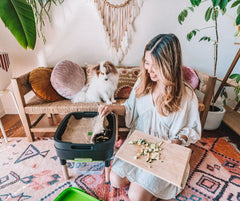
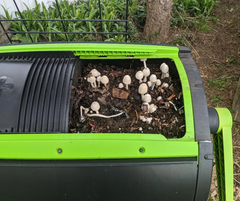
Use compost to power healthy plants
Healthy plants are less appealing to some pests and recover faster when they are nibbled. Compost also supports soil life, which supports the whole garden ecosystem.
If composting is part of your sustainability goals, you can browse our composting range via the Maze collections page here: Maze Products Collections.
Combine companion planting with physical protection
This is still “natural pest control”, it is just smarter and more reliable. If you are serious about reducing losses, companion planting plus physical exclusion is a strong combination.

A simple companion planting layout you can copy
Here is an easy, practical pattern for a mixed veggie bed.
For a tomato bed:
- tomatoes as the anchor plants
- basil in clusters around the base
- marigolds dotted between plants and at bed corners
- dill or coriander allowed to flower on one side of the bed
For a brassica bed (broccoli, kale, cabbage):
- brassicas in a block
- rosemary or sage nearby, kept pruned
- marigolds along the front edge
- flowering herbs at one end to attract beneficials
This approach supports natural pest deterrents, but also keeps your bed visually tidy and easy to maintain.
FAQs / Common Questions
1. How does companion planting reduce garden pests?
Companion planting reduces pests by making it harder for insects to locate their preferred crops, drawing pests onto trap plants, and attracting beneficial insects that prey on common garden pests. It works best when we use it consistently and combine it with strong fundamentals like healthy soil, good spacing, and regular monitoring.
2. What are the best companion plants for keeping bugs away?
Some of the most reliable options include basil, marigolds, nasturtiums, chives, garlic, rosemary, sage, and flowering herbs like dill and coriander. These are popular because they support scent masking, trap cropping, and beneficial insect activity, which are key parts of companion planting for pest control.
3. Can companion planting really help protect vegetables from critters?
Yes, companion planting can help, especially for insect pests. For larger critters like birds and possums, companion planting is usually not enough on its own. We recommend treating it as part of a wider strategy, combining natural ways to protect plants with practical physical barriers where needed.
Final thoughts
Companion planting is one of the most satisfying forms of organic pest control because it improves your garden even when pests are quiet.
You end up with more flowers, more beneficial insects, more variety, and often a more productive patch.
If you want the biggest gains, focus on consistency. Repeat companion plants throughout beds, keep your soil healthy, and pair your plant choices with smart protection when pest pressure is high. Over time, your garden becomes less of a buffet and more of a balanced ecosystem.
To explore the Maze range that supports sustainable gardening habits, you can start here: Maze Products Collections.